
The Role of Fruit Concentrate in the Beverage Industry
Introduction
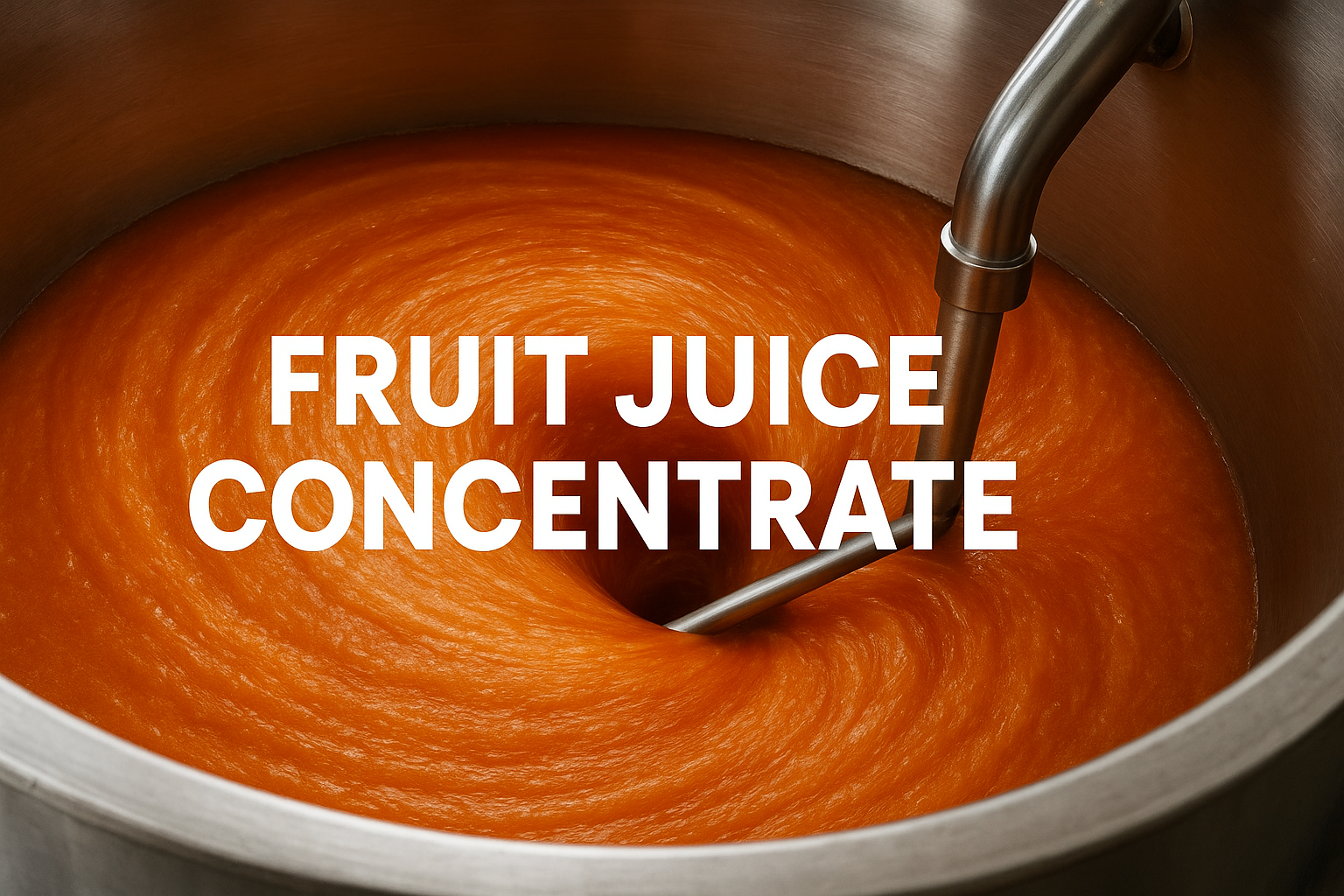
Fruit juice concentrate has become a cornerstone ingredient in the global beverage industry, offering manufacturers a cost-effective, versatile, and efficient way to deliver fruit flavor, color, and nutrition to their products. From carbonated drinks and flavored waters to smoothies and energy beverages, concentrate plays a major role in shaping taste profiles and ensuring consistent quality year-round.
Why Fruit Concentrate Is Essential in Modern Beverage Production
1. Consistency in Flavor and Quality
One of the biggest advantages of fruit concentrate is its ability to provide a uniform flavor profile, regardless of climate, season, or fruit availability. Since concentrates are produced through controlled industrial processes, beverage companies can rely on stable flavor strength and sweetness across millions of bottles.
Many manufacturers use concentrate to ensure standardized product taste that consumers expect from global brands.
2. Cost Efficiency & Logistics Benefits
Removing water from fruit juice significantly reduces its volume, which cuts down both storage and transportation costs. For large beverage companies, this means:
-
Lower shipping weight
-
Reduced packaging requirements
-
Bigger production output with less raw storage space
Because of these advantages, concentrate allows beverage facilities to operate with higher efficiency compared to using fresh fruit.
3. Long Shelf Life
Concentrates have a much longer shelf life compared to fresh fruit or non-concentrated juices. This stability helps manufacturers avoid spoilage and ensures raw materials are available year-round, especially for fruits that are naturally seasonal (e.g., mangoes, berries, citrus).
This stability is crucial for ensuring mass production without supply-chain disruptions.
4. Versatility in Beverage Formulations
Fruit concentrate easily integrates into various beverage categories:
-
Soft drinks and sodas
-
Flavored water
-
Energy drinks
-
Sports drinks
-
Ready-to-drink teas
-
Smoothies and fruit beverages
Because concentrates vary in Brix level (sugar concentration), manufacturers can fine-tune sweetness, acidity, and flavor intensity with precision.
5. Nutritional and Functional Advantages
Many concentrates retain essential nutrients such as vitamin C and plant compounds like polyphenols. Although some nutrients degrade during processing, high-quality concentrates still contribute beneficial antioxidants and natural color.
Additionally, concentrates offer a cleaner label alternative to artificial syrups—making them attractive for health-focused beverage brands.
6. Sustainability Considerations
Concentrate production reduces waste and lowers the carbon footprint in transportation due to reduced weight. Many producers also use leftover fruit skins and fibers in secondary industries (animal feed, pectin extraction, etc.), increasing the sustainability of the entire process.
Manufacturers aiming for eco-friendly production often choose fruit concentrate over synthetic flavors or fresh fruit transport.
Challenges and Limitations
Despite its advantages, fruit concentrate comes with some drawbacks:
-
Loss of some nutrients during heating
-
Higher sugar density, especially in 100% fruit concentrates
-
Potential additives (in low-quality products)
-
Reduced fiber content compared to whole fruit
Therefore, premium beverage manufacturers focus on 100% pure fruit concentrate with minimal processing.
Conclusion
Fruit concentrate plays a critical role in the beverage industry by offering consistency, cost savings, versatility, and reliable year-round supply. While not a perfect replacement for whole fruit, it enables large-scale beverage production with stable quality and natural fruit flavor. With advancements in processing technology, modern concentrates maintain more nutrients and flavor than ever before, ensuring they remain a key ingredient in global beverage innovation.
Sources
-
Healthline — Juice Concentrate: What It Is and Whether It’s Healthy
-
TTMFood — Fruit Juice Concentrate in Food and Beverage Applications
-
Chefadora — Fruit Juice Concentrate Overview